
The Evolution of Modern Dental Implantology
The landscape of dental implant procedures has undergone a remarkable transformation over the past decade, with revolutionary techniques emerging that are fundamentally changing how practitioners approach tooth replacement, such as dental implants in Canary Wharf. These sophisticated methods are not merely incremental improvements but represent quantum leaps in precision, efficiency, and patient outcomes. From computer-guided surgery to advanced biomaterials, the field continues to push boundaries that were once thought impossible.
Contemporary dental implant technology has reached unprecedented levels of sophistication, enabling practitioners to achieve results that consistently exceed traditional expectations. The integration of digital workflows, artificial intelligence, and biotechnology has created a perfect storm of innovation that benefits both clinicians and patients alike. These advancements have made procedures more predictable, less invasive, and significantly more comfortable for those seeking tooth replacement solutions.
Digital Planning and Computer-Guided Surgery
The advent of three-dimensional imaging technology has revolutionised the planning phase of implant procedures, allowing for meticulous preparation that leaves nothing to chance. Cone beam computed tomography (CBCT) scans provide detailed anatomical information that enables practitioners to visualise bone density, nerve pathways, and sinus cavities with remarkable clarity. This comprehensive understanding allows for strategic implant placement that maximises success rates whilst minimising potential complications.
Computer-guided surgery represents perhaps the most significant advancement in implant placement techniques. Using sophisticated software, practitioners can plan the entire procedure virtually, determining optimal implant positions, angles, and depths before the patient even enters the treatment room. This game-changing approach to dental implant technology ensures that surgical guides are fabricated with sub-millimetre precision, resulting in predictable outcomes and reduced chair time.
Benefits of Digital Workflows
- Enhanced surgical precision through computer-guided placement
- Reduced treatment time and improved patient comfort
- Minimally invasive procedures with faster healing times
- Predictable aesthetic outcomes through detailed pre-planning
- Improved communication between practitioners and patients
The implementation of digital workflows has particularly benefited patients seeking dental implants, where access to cutting-edge technology and expertise has made advanced procedures readily available. These sophisticated systems enable practitioners to offer same-day procedures in many cases, dramatically reducing the traditional timeline from months to mere hours.
Advanced Biomaterials and Surface Technologies
The development of revolutionary biomaterials has fundamentally altered the success trajectory of implant procedures, with new surface treatments promoting faster osseointegration and enhanced long-term stability. Modern titanium implants feature sophisticated surface modifications that encourage bone cells to attach more readily, reducing healing times from several months to just weeks in many cases. These microscopic and nanoscopic surface alterations create an optimal environment for biological integration.
Hydrophilic surface treatments represent a particularly exciting advancement, as they enhance the initial blood clot formation that is crucial for successful healing. These surfaces actively attract bodily fluids, creating an ideal foundation for new bone growth. Additionally, the introduction of bioactive coatings containing growth factors has shown remarkable promise in accelerating the healing process whilst improving overall implant survival rates.
Zirconia Implants and Metal-Free Solutions
The emergence of ceramic implants, particularly those made from zirconia, has addressed concerns regarding metal sensitivity while providing exceptional aesthetic results. These tooth-coloured implants eliminate the possibility of grey shadowing through the gums, making them particularly suitable for anterior restorations where aesthetics are paramount. The biocompatibility of zirconia has proven exceptional, with tissue response often superior to traditional titanium alternatives.
Immediate Loading and Same-Day Procedures
Perhaps one of the most patient-friendly innovations has been the refinement of immediate loading protocols, allowing for functional teeth on the same day as implant placement. This approach requires careful case selection and precise execution, but when appropriate conditions exist, patients can leave the practice with a restored smile. The psychological benefits of avoiding an extended edentulous period cannot be overstated, particularly for those requiring revolutionary dental implant care and technology.
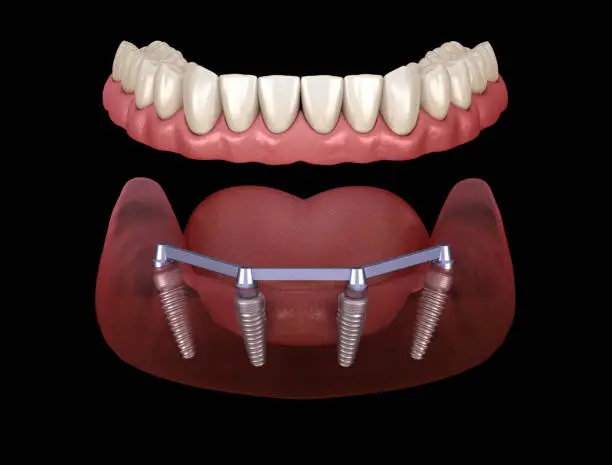
All-on-four and similar full-arch rehabilitation techniques have made complete smile makeovers achievable in a single appointment. These procedures utilise strategic implant placement to maximise available bone whilst avoiding anatomical structures, often eliminating the need for extensive bone grafting procedures that would traditionally extend treatment timelines significantly.
The Future of Implant Dentistry
The continuous evolution of implant technology promises even more remarkable developments on the horizon. From stem cell therapy to bioprinting, the future holds extraordinary potential for regenerative approaches that may revolutionise how practitioners approach tooth replacement. These innovative dental implant developments ensure that patients seeking dental implants in Canary Wharf and beyond will continue to benefit from increasingly sophisticated treatment options that deliver exceptional outcomes with enhanced comfort and convenience.
You may also like
-
Why Your Chewing Patterns Reveal More About Your Dental Health Than You Realise
-
How the Timing of Orthodontic Treatment Affects Long-Term Dental Stability
-
Exploring 3D Printing: The Future Frontier of Custom Dental Solutions
-
The Intricate Relationship Between Jaw Alignment and Overall Health
-
Harnessing Social Proof to Transform Dental Marketing